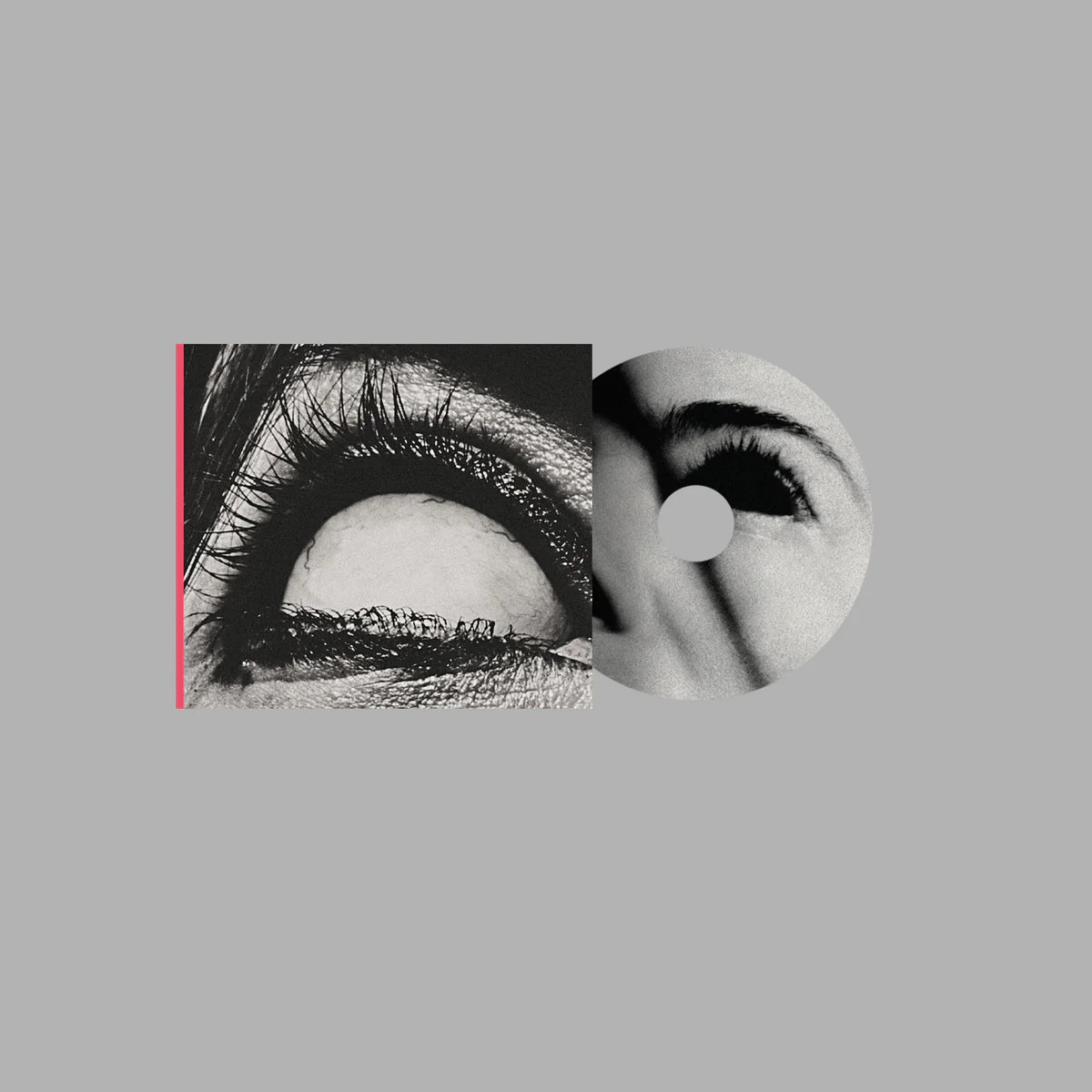
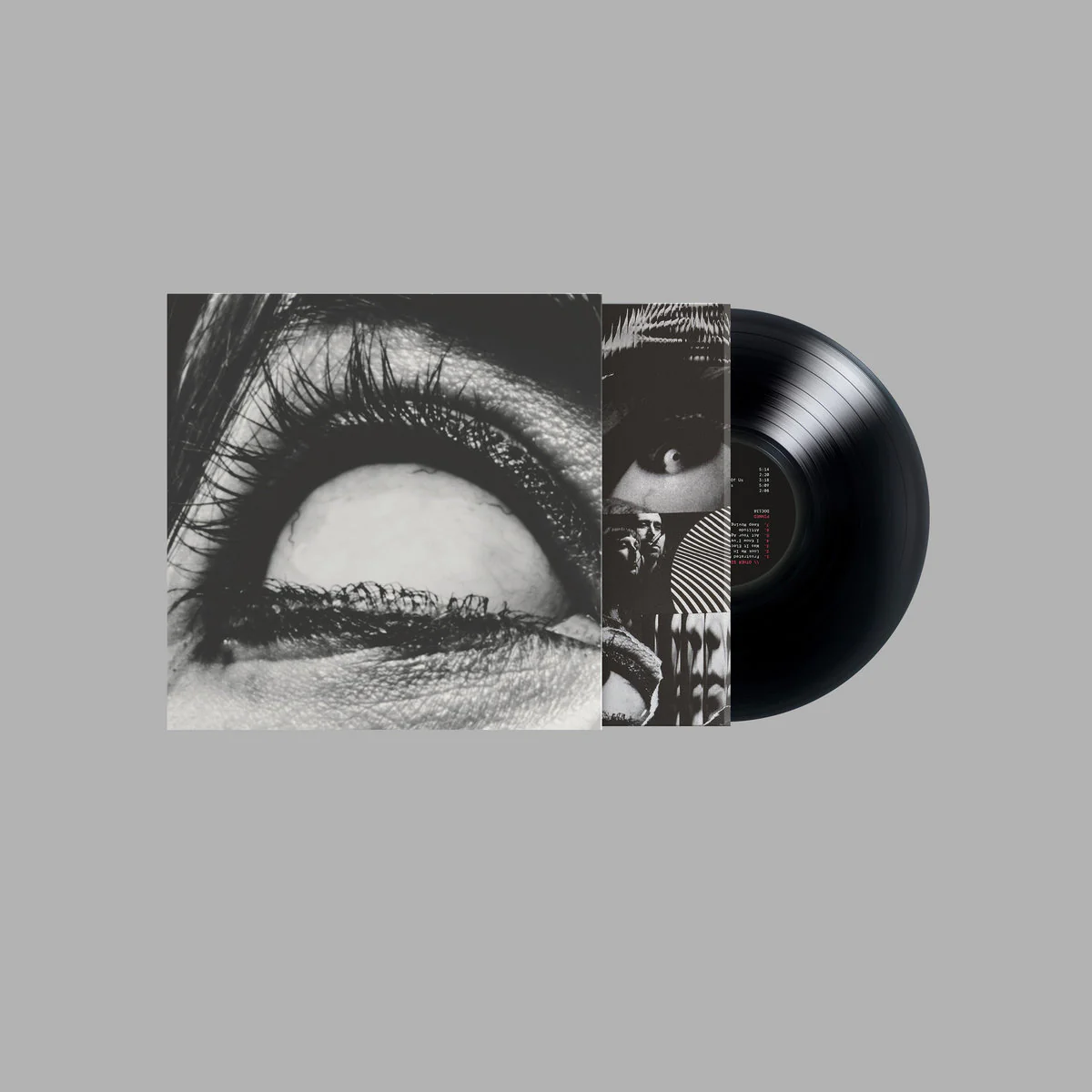
HEAVN
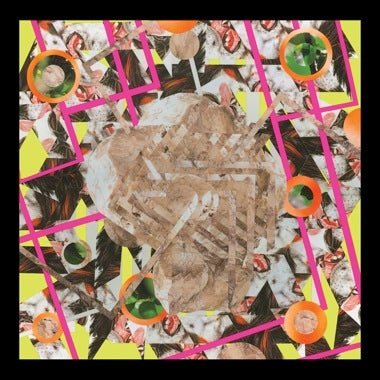
Jamila Woods surrounds herself with the things she loves, things like Lucille Clifton’s poetry or letters from her grandmother or the late 80s post-punk of The Cure. “It’s just powerful to me to know the lineage and influences going into the making of the song,” Jamila says. That lineage–fragments of her life and loves–helped structure the progressive, delicate and minimalist soul of HEAVN, her debut solo album released in the summer of 2016. “It’s like a collage process,” she says. “It’s very enjoyable to me to take something I love and mold it into something new.”
A frequent guest vocalist in the hip-hop, jazz and soul world, Jamila has emerged as a once-in-a-generation voice on her soul-stirring debut. Hailed by Pitchfork as, “a singular mix of clear-eyed optimism and Black girl magic,” HEAVN is the culmination of more than two decades’ worth of musical performances, creative remixing, haunted memories and her unique “collage” writing process. “I think of songs as physical spaces,” Jamila says. “Writing a song feels like decorating my space with things that make me happy or reflect who I am.”
The message of HEAVN, the album, and Jamila, the musician and poet, are clear: all parts strengthen the whole. Born and raised on the Southside of Chicago, Woods grew up in a family of music lovers. She was a member of her grandmother’s church choir as well as the Chicago Children’s Choir and often sat next to her parents’ speakers, singing along to their sizeable music collection while surrounding herself with things she admired.
But it took a surprise poetry class with the high school arts program Gallery 37 for Jamila to finally find her metaphorical and literal voice. “Through poetry, I realized you are the expert of your own experience,” she says. “You can tell your story the best and no one else can tell it for you. You can focus on what you lack, comparing yourself to other people, or you can focus on what you can do right now with your voice.”
Her interest in poetry grew with age, taking her to Brown University, where she often participated in open mics. But music still lingered in the background even if she wasn’t necessarily confident of her skills. “I definitely always wanted to be a performer or be a singer,” Jamila said. “I always had that in my mind, but I didn’t think I had the voice of a solo artist.” She joined the acapella group Shades of Brown where she learned how to arrange music for her peers. It became a skill she later utilized when crafting her own songs. “I thought about the parts everyone would sing and that really influenced the way I started to write songs,” she offers.
Music–like poetry– is personal, she says: “It became a way to stop hiding, to actually be the most honest with myself through writing. It helps me check in with myself.” And that honesty translated to HEAVN, an album she describes as a collection of, “nontraditional love songs pushing the idea of what makes a love song.” Here, you’ll find the bits and pieces of her past and present that make Jamila: family, the city of Chicago, self-care, the black women she calls friends.
In 2016, Chicago-based hip-hop label Closed Sessions released HEAVN. Working with Closed Sessions gave Jamila a home to help craft a complete, singular body of work. “That’s been the coolest thing,” she says. “Just being connected with so many people in Chicago. I like that they’re local.”
HEAVN features a variety of producers, including oddCouple, a fellow Closed Sessions signee who produced five of the album’s 12 tracks. “Working with oddCouple was when I really started thinking of [HEAVN] as an album,” she adds. Other producers on the album include Peter Cottontale and even Jamila’s sister. In 2017, Jamila partners with Jagjaguwar and Closed Sessions to re-release the critically-acclaimed HEAVN.
On the album’s title track, which samples the Cure’s “Just Like Heaven,” Jamila explores how black people’s history influences their ability to love each other. “How do we love in our current situation, with the everyday violences we have to endure?” she asks. “Holy” connects to Jamila’s life growing up in church, sampling a gospel song and utilizing a psalm structure to talk about self love. “In church, there was a lot of emphasis on love–like love your neighbor, love God–but not self love,” she says. “When I wrote ‘Holy,’ I wanted to remember to take care of myself. It was an affirmation mantra for me.”
Elsewhere, Jamila plays with contrast to tell a bigger story. On “VRY BLK,” she uses black girl hand clap games to talk about police brutality. “It might sound innocent, but it’s really not,” Jamila says. “BLK Girl Soldier,” a song Jamila describes as a partner to “VRY BLK,” focuses on solidarity. “It’s very prideful,” Jamila says. “I’m talking about this violence that happens, but not staying in a place of feeling victimized.”
Jamila is an artist of substance. Her music, crafted with a sturdy foundation of her passions and influences, gets to the heart of things. True and pure in its construction and execution, it is also the best representation of Jamila herself: strong in her roots, confident in her ideas, and attuned to the people, places and things shaping her world.
Original: $17.99
-70%$17.99
$5.40More Images

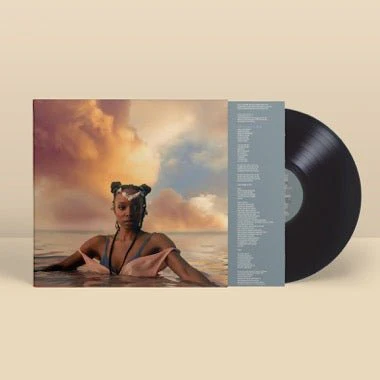
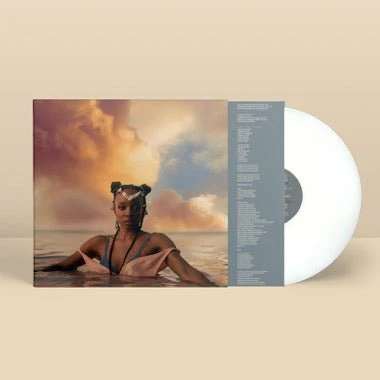

HEAVN
Jamila Woods surrounds herself with the things she loves, things like Lucille Clifton’s poetry or letters from her grandmother or the late 80s post-punk of The Cure. “It’s just powerful to me to know the lineage and influences going into the making of the song,” Jamila says. That lineage–fragments of her life and loves–helped structure the progressive, delicate and minimalist soul of HEAVN, her debut solo album released in the summer of 2016. “It’s like a collage process,” she says. “It’s very enjoyable to me to take something I love and mold it into something new.”
A frequent guest vocalist in the hip-hop, jazz and soul world, Jamila has emerged as a once-in-a-generation voice on her soul-stirring debut. Hailed by Pitchfork as, “a singular mix of clear-eyed optimism and Black girl magic,” HEAVN is the culmination of more than two decades’ worth of musical performances, creative remixing, haunted memories and her unique “collage” writing process. “I think of songs as physical spaces,” Jamila says. “Writing a song feels like decorating my space with things that make me happy or reflect who I am.”
The message of HEAVN, the album, and Jamila, the musician and poet, are clear: all parts strengthen the whole. Born and raised on the Southside of Chicago, Woods grew up in a family of music lovers. She was a member of her grandmother’s church choir as well as the Chicago Children’s Choir and often sat next to her parents’ speakers, singing along to their sizeable music collection while surrounding herself with things she admired.
But it took a surprise poetry class with the high school arts program Gallery 37 for Jamila to finally find her metaphorical and literal voice. “Through poetry, I realized you are the expert of your own experience,” she says. “You can tell your story the best and no one else can tell it for you. You can focus on what you lack, comparing yourself to other people, or you can focus on what you can do right now with your voice.”
Her interest in poetry grew with age, taking her to Brown University, where she often participated in open mics. But music still lingered in the background even if she wasn’t necessarily confident of her skills. “I definitely always wanted to be a performer or be a singer,” Jamila said. “I always had that in my mind, but I didn’t think I had the voice of a solo artist.” She joined the acapella group Shades of Brown where she learned how to arrange music for her peers. It became a skill she later utilized when crafting her own songs. “I thought about the parts everyone would sing and that really influenced the way I started to write songs,” she offers.
Music–like poetry– is personal, she says: “It became a way to stop hiding, to actually be the most honest with myself through writing. It helps me check in with myself.” And that honesty translated to HEAVN, an album she describes as a collection of, “nontraditional love songs pushing the idea of what makes a love song.” Here, you’ll find the bits and pieces of her past and present that make Jamila: family, the city of Chicago, self-care, the black women she calls friends.
In 2016, Chicago-based hip-hop label Closed Sessions released HEAVN. Working with Closed Sessions gave Jamila a home to help craft a complete, singular body of work. “That’s been the coolest thing,” she says. “Just being connected with so many people in Chicago. I like that they’re local.”
HEAVN features a variety of producers, including oddCouple, a fellow Closed Sessions signee who produced five of the album’s 12 tracks. “Working with oddCouple was when I really started thinking of [HEAVN] as an album,” she adds. Other producers on the album include Peter Cottontale and even Jamila’s sister. In 2017, Jamila partners with Jagjaguwar and Closed Sessions to re-release the critically-acclaimed HEAVN.
On the album’s title track, which samples the Cure’s “Just Like Heaven,” Jamila explores how black people’s history influences their ability to love each other. “How do we love in our current situation, with the everyday violences we have to endure?” she asks. “Holy” connects to Jamila’s life growing up in church, sampling a gospel song and utilizing a psalm structure to talk about self love. “In church, there was a lot of emphasis on love–like love your neighbor, love God–but not self love,” she says. “When I wrote ‘Holy,’ I wanted to remember to take care of myself. It was an affirmation mantra for me.”
Elsewhere, Jamila plays with contrast to tell a bigger story. On “VRY BLK,” she uses black girl hand clap games to talk about police brutality. “It might sound innocent, but it’s really not,” Jamila says. “BLK Girl Soldier,” a song Jamila describes as a partner to “VRY BLK,” focuses on solidarity. “It’s very prideful,” Jamila says. “I’m talking about this violence that happens, but not staying in a place of feeling victimized.”
Jamila is an artist of substance. Her music, crafted with a sturdy foundation of her passions and influences, gets to the heart of things. True and pure in its construction and execution, it is also the best representation of Jamila herself: strong in her roots, confident in her ideas, and attuned to the people, places and things shaping her world.
Product Information
Product Information
Shipping & Returns
Shipping & Returns
Description
Jamila Woods surrounds herself with the things she loves, things like Lucille Clifton’s poetry or letters from her grandmother or the late 80s post-punk of The Cure. “It’s just powerful to me to know the lineage and influences going into the making of the song,” Jamila says. That lineage–fragments of her life and loves–helped structure the progressive, delicate and minimalist soul of HEAVN, her debut solo album released in the summer of 2016. “It’s like a collage process,” she says. “It’s very enjoyable to me to take something I love and mold it into something new.”
A frequent guest vocalist in the hip-hop, jazz and soul world, Jamila has emerged as a once-in-a-generation voice on her soul-stirring debut. Hailed by Pitchfork as, “a singular mix of clear-eyed optimism and Black girl magic,” HEAVN is the culmination of more than two decades’ worth of musical performances, creative remixing, haunted memories and her unique “collage” writing process. “I think of songs as physical spaces,” Jamila says. “Writing a song feels like decorating my space with things that make me happy or reflect who I am.”
The message of HEAVN, the album, and Jamila, the musician and poet, are clear: all parts strengthen the whole. Born and raised on the Southside of Chicago, Woods grew up in a family of music lovers. She was a member of her grandmother’s church choir as well as the Chicago Children’s Choir and often sat next to her parents’ speakers, singing along to their sizeable music collection while surrounding herself with things she admired.
But it took a surprise poetry class with the high school arts program Gallery 37 for Jamila to finally find her metaphorical and literal voice. “Through poetry, I realized you are the expert of your own experience,” she says. “You can tell your story the best and no one else can tell it for you. You can focus on what you lack, comparing yourself to other people, or you can focus on what you can do right now with your voice.”
Her interest in poetry grew with age, taking her to Brown University, where she often participated in open mics. But music still lingered in the background even if she wasn’t necessarily confident of her skills. “I definitely always wanted to be a performer or be a singer,” Jamila said. “I always had that in my mind, but I didn’t think I had the voice of a solo artist.” She joined the acapella group Shades of Brown where she learned how to arrange music for her peers. It became a skill she later utilized when crafting her own songs. “I thought about the parts everyone would sing and that really influenced the way I started to write songs,” she offers.
Music–like poetry– is personal, she says: “It became a way to stop hiding, to actually be the most honest with myself through writing. It helps me check in with myself.” And that honesty translated to HEAVN, an album she describes as a collection of, “nontraditional love songs pushing the idea of what makes a love song.” Here, you’ll find the bits and pieces of her past and present that make Jamila: family, the city of Chicago, self-care, the black women she calls friends.
In 2016, Chicago-based hip-hop label Closed Sessions released HEAVN. Working with Closed Sessions gave Jamila a home to help craft a complete, singular body of work. “That’s been the coolest thing,” she says. “Just being connected with so many people in Chicago. I like that they’re local.”
HEAVN features a variety of producers, including oddCouple, a fellow Closed Sessions signee who produced five of the album’s 12 tracks. “Working with oddCouple was when I really started thinking of [HEAVN] as an album,” she adds. Other producers on the album include Peter Cottontale and even Jamila’s sister. In 2017, Jamila partners with Jagjaguwar and Closed Sessions to re-release the critically-acclaimed HEAVN.
On the album’s title track, which samples the Cure’s “Just Like Heaven,” Jamila explores how black people’s history influences their ability to love each other. “How do we love in our current situation, with the everyday violences we have to endure?” she asks. “Holy” connects to Jamila’s life growing up in church, sampling a gospel song and utilizing a psalm structure to talk about self love. “In church, there was a lot of emphasis on love–like love your neighbor, love God–but not self love,” she says. “When I wrote ‘Holy,’ I wanted to remember to take care of myself. It was an affirmation mantra for me.”
Elsewhere, Jamila plays with contrast to tell a bigger story. On “VRY BLK,” she uses black girl hand clap games to talk about police brutality. “It might sound innocent, but it’s really not,” Jamila says. “BLK Girl Soldier,” a song Jamila describes as a partner to “VRY BLK,” focuses on solidarity. “It’s very prideful,” Jamila says. “I’m talking about this violence that happens, but not staying in a place of feeling victimized.”
Jamila is an artist of substance. Her music, crafted with a sturdy foundation of her passions and influences, gets to the heart of things. True and pure in its construction and execution, it is also the best representation of Jamila herself: strong in her roots, confident in her ideas, and attuned to the people, places and things shaping her world.